 How Do We Support Headteachers to Remain in Role Long Enough to Create a Lasting Legacy for the Schools and Communities They Serve?
by Garry Trott, Continuous Improvement Partner
I always aspired to become a headteacher. As an early career teacher, I witnessed first-hand the impact of a school leader who was visionary, invested in staff development and genuinely cared about the growth of those around them. That experience shaped my understanding of what effective leadership could achieve and inspired my own ambitions.
My journey into headship came sooner than expected. While serving as a deputy headteacher, the substantive head recognised potential in my skills and leadership approach and offered me the opportunity to step into the role on an acting basis. On reflection I was far too young and green for the vast responsibility of headship.
Although I had completed the original NPQH programme, with its extensive evidence requirements and assessment activities, it proved only a partial preparation for the realities of leading a school. Nothing fully prepares a leader for the responsibility that comes with having their name above the door.
What followed was fourteen years of significant professional growth, challenge and fulfilment. At that time, there were no trust-wide structures to support my transition into headship. Much of my development came through intensive on-the-job learning and, at times, simple survival. Looking back, I realise that conversations about my own development as a headteacher were surprisingly rare. There were numerous performance management meetings focused on targets, inspection outcomes and school improvement priorities, but very few opportunities to reflect on my leadership skills, strengths and areas for growth. I would like to think that I became a more effective leader over time, but the process was largely reactive rather than intentional.

For the past five years, I have had the privilege of supporting new headteachers as they enter one of the most demanding, yet rewarding, roles in education. It has been immensely satisfying to watch them grow in confidence and capability, and to see their vision translated into meaningful improvements for their schools and communities.
However, this experience has also prompted an important reflection. In many respects, I have fallen into the same pattern as those who supported me. Our conversations have often focused on output and not growth and nourishment. While these discussions are essential, they can overshadow a more fundamental question: what do leaders need in order to become expert, sustainable headteachers?
As a sector, we do not invest sufficiently in the ongoing development of school leaders. The demands of the role mean that many headteachers assume post without having had the opportunity to gain broad experience across a wide range of responsibilities. At the same time, leadership tenure remains a significant challenge, particularly in secondary schools.
According to an analysis of the DFE 2024 School Workforce Census, published in Schools Week , primary headteachers continue to demonstrate stronger retention than their secondary counterparts. Three years after appointment, 79.3 per cent of primary heads remain in post, compared with 64.7 per cent of secondary leaders. These figures raise an important question: how do we support headteachers to remain in role long enough to create a lasting legacy for the schools and communities they serve?
The answer is multifaceted. The accountability system undoubtedly plays a role, particularly in schools facing the greatest challenges, where the pressures of headship can be especially acute. However, I believe the issue runs deeper. We need to take headteacher development far more seriously.
Headteachers deserve the time, space and structured support to develop the full range of skills required for this complex and multifaceted role. Leadership expertise should not be left to chance. Instead, it should be nurtured through deliberate development, reflection and professional learning.
It was this reflection that led us to develop the Principal Competency Framework. Rather than viewing leadership solely through the lens of outcomes and accountability, the framework focuses on the habits, behaviours and capabilities that enable headteachers to thrive over the long term. It offers a practical interpretation of the Headteacher Standards and is designed to support leaders at every stage of their journey, from those taking their first steps into headship to experienced practitioners seeking to refine their expertise.
The framework has been shaped collaboratively with colleagues from across the trust, drawing on expertise from safeguarding, estates, governance and beyond. Our ambition is simple: to ensure that every headteacher has the opportunity to focus on a specific area of professional growth, supported by regular dialogue, reflection and development.
I share the framework not as a finished answer, but as a contribution to a wider conversation. Whether you choose to use it, adapt it or simply reflect on the ideas within it, I hope it prompts discussion about how we can better nurture and sustain the leaders on whom our schools and communities depend.
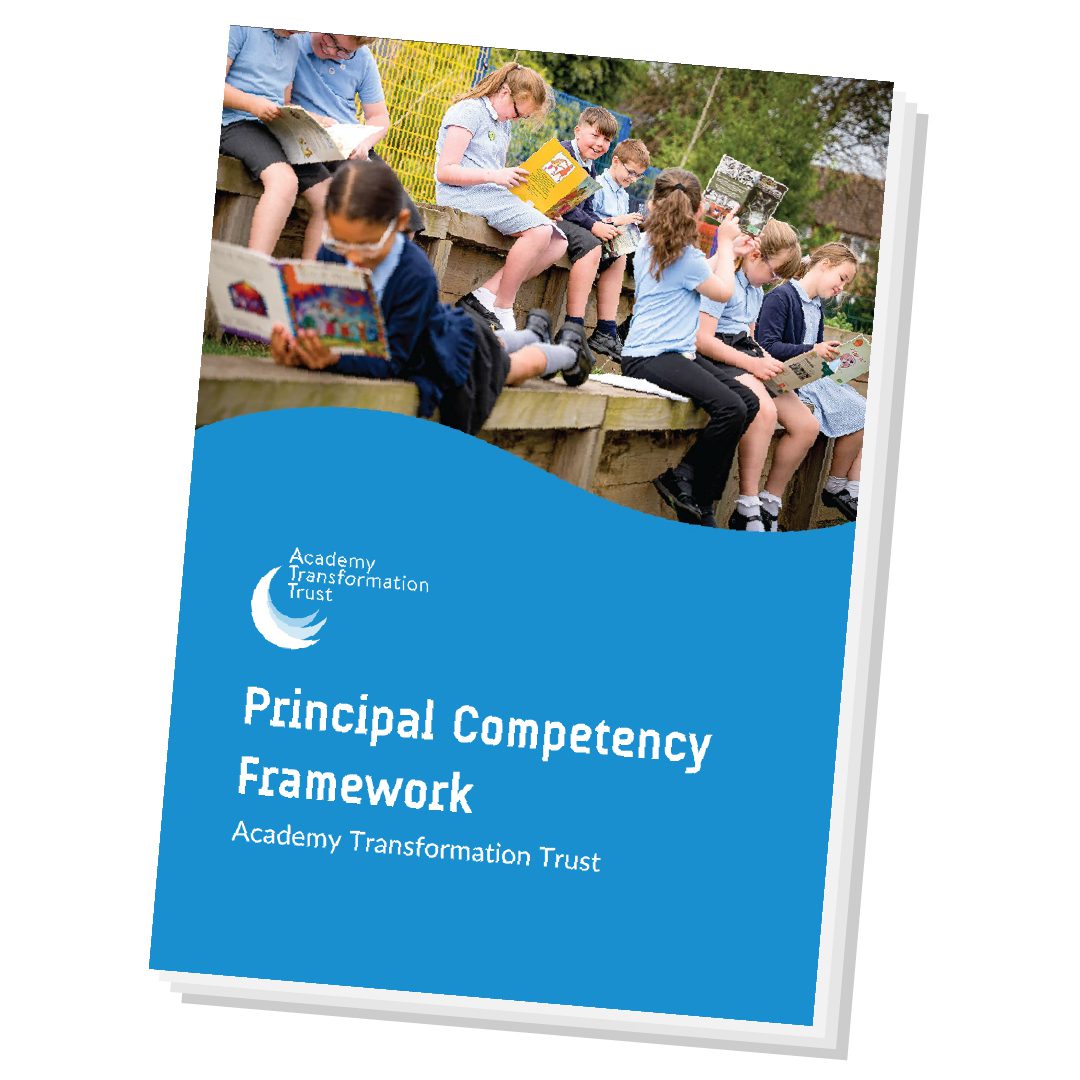
Read The Framework
Our Principal Competency Framework supports leaders to develop their knowledge, skills and confidence in a way that benefits not only their schools, but their own professional growth.