 Building Trust Through Relational Practice: Strengthening Partnerships with Families During Times of Change
By Katie Langley, National Attendance & Belonging Lead
Change is a constant in education.
For children and young people, change can feel exciting, but it can also bring uncertainty. Starting school, moving between year groups, transitioning to secondary education, joining a new academy or returning after a period of absence are all significant moments that shape a child’s experience of education.
For families, these transitions can be equally important. Parents and carers are often navigating their own anxieties, hopes and questions while trying to support their child through change.
This year’s National Inclusion Week theme, “Build Trust. Navigate Change.”, could not be more relevant to the work we do in our schools. At the heart of successful transitions and inclusive practice sits one essential ingredient: strong, trusting relationships.
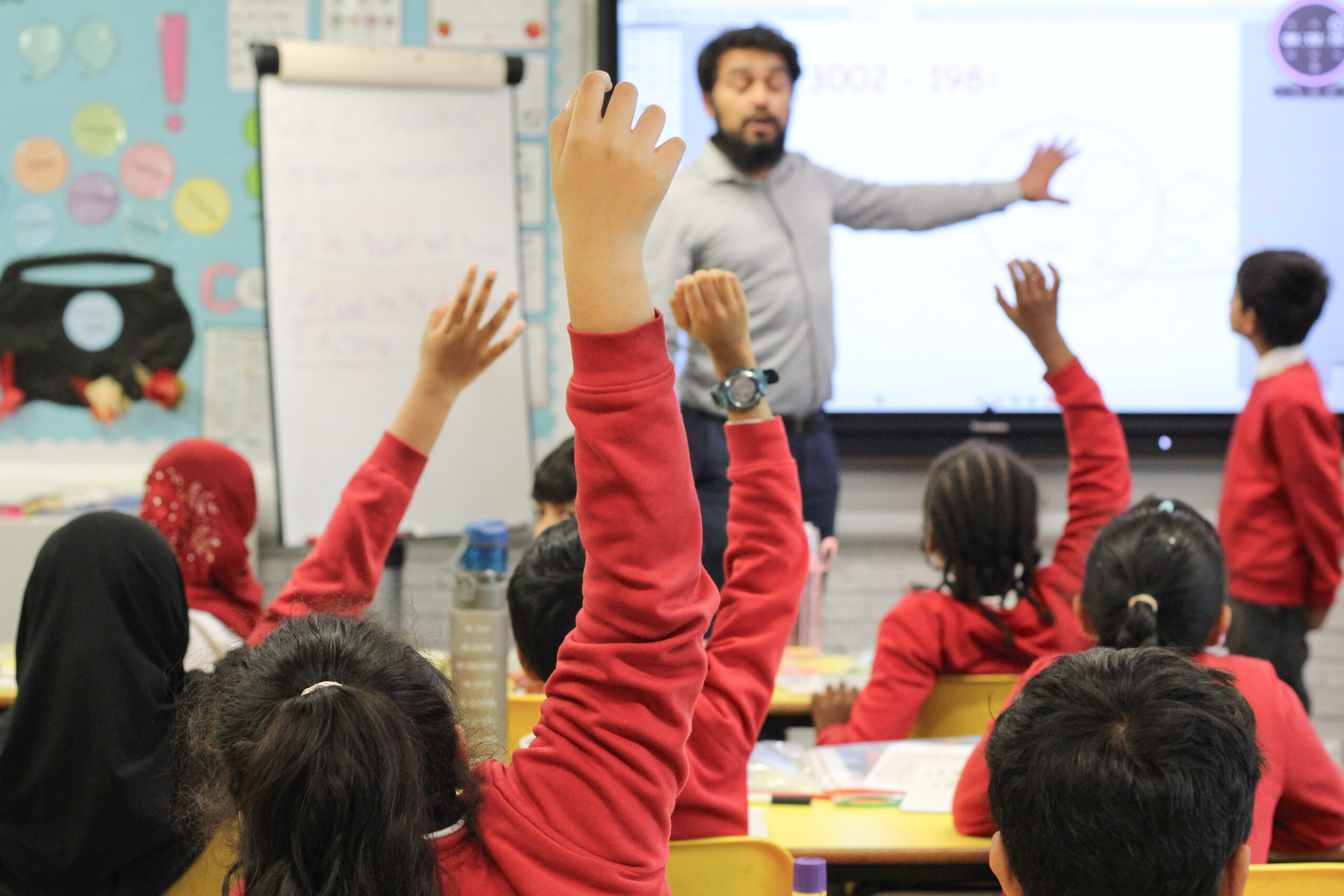
Belonging Begins with Relationships
At ATT, we believe that belonging is created through everyday interactions.
Every conversation at the school gate, every phone call home, every welcome meeting and every act of listening contributes to how families experience our academies.
When families feel respected, heard and understood, trust grows.
When trust grows, partnership flourishes.
And when partnership flourishes, children benefit.
Research and experience consistently show us that children are most successful when schools and families work together around a shared goal: helping every child thrive academically, socially and emotionally.
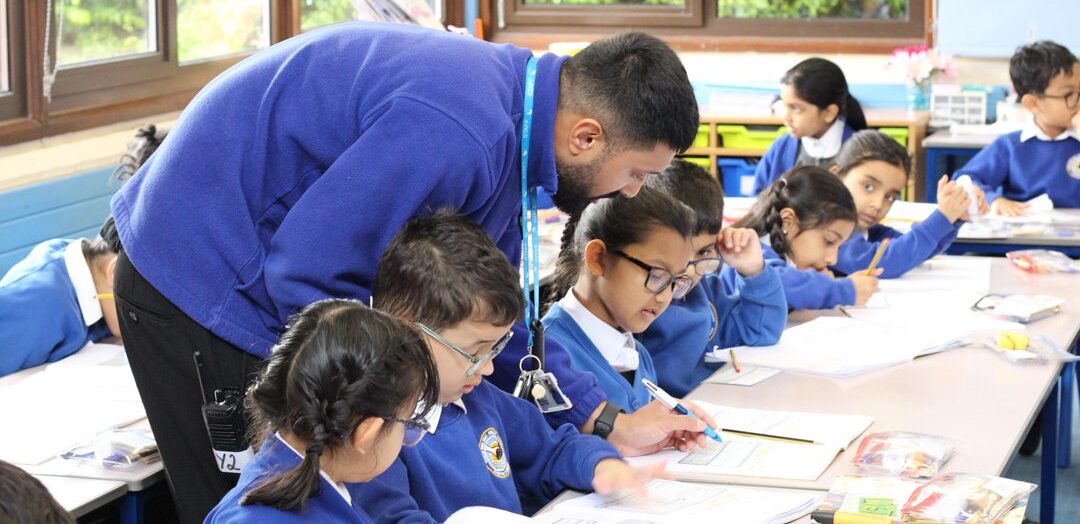
Relational Practice in Action
Relational practice is the intentional decision to place relationships at the centre of our work.
This means:
- Leading with professional curiosity
- Seeking to understand before being understood.
- Recognising family strengths alongside challenges.
- Creating opportunities for authentic dialogue.
- Working with families recognising them as the expert for their child
- Valuing lived experience and family expertise.
Relational practice supports meaningful partnership.
Instead of asking, “How do we improve attendance?”
We might ask:
“How do we improve a child’s experience of school?”
“What barriers are this family navigating?”
“How can we work together to create the conditions for success?”
The answers to those questions often unlock sustainable improvements in engagement, attendance and wellbeing.
Building Trust During Transition
Transitions provide some of the most important opportunities to build trust.
Whether a child is starting Reception, moving to Year 7, joining from another school or reintegrating following a period of absence, the quality of relational support can shape their sense of belonging from day one.
Successful transitions are built on:
- Early communication.
- Consistent messaging.
- Listening to family voice.
- Understanding individual needs.
- Creating opportunities for connection before concerns arise.
- Helping children and families feel known, valued and welcomed.
Families remember how schools make them feel during moments of uncertainty.
A warm welcome, a proactive phone call, a home visit, a transition meeting or simply taking the time to listen can have a lasting impact.

Creating the Better Offer
As educational leaders, we must continually ask ourselves:
“Would our children choose to be here?”
Attendance and engagement improve when schools become places where children genuinely want to be, where learning is irresistible.
This means creating communities where:
- Relationships are strong.
- Learning is meaningful.
- Children feel safe.
- Diversity is celebrated.
- Individual strengths are recognised.
- Every child experiences a sense of purpose and belonging.
Curriculum enactment plays a critical role in this. Children connect more deeply when learning is engaging, inclusive and relevant to their experiences. When young people see themselves reflected in school life and curriculum experiences, belonging becomes stronger.
Moving Forward Together
National Inclusion Week reminds us that inclusion is everyone’s responsibility.
Building trust is not a one-off event. It is the cumulative impact of thousands of interactions over time.
As we continue to navigate change across our schools and communities, let us keep relationships at the heart of our practice, work alongside families with compassion, curiosity and respect.
Let us create schools where every interaction strengthens belonging.
Because when children, families and schools work together, trust grows, belonging
Flourishes and children thrive.
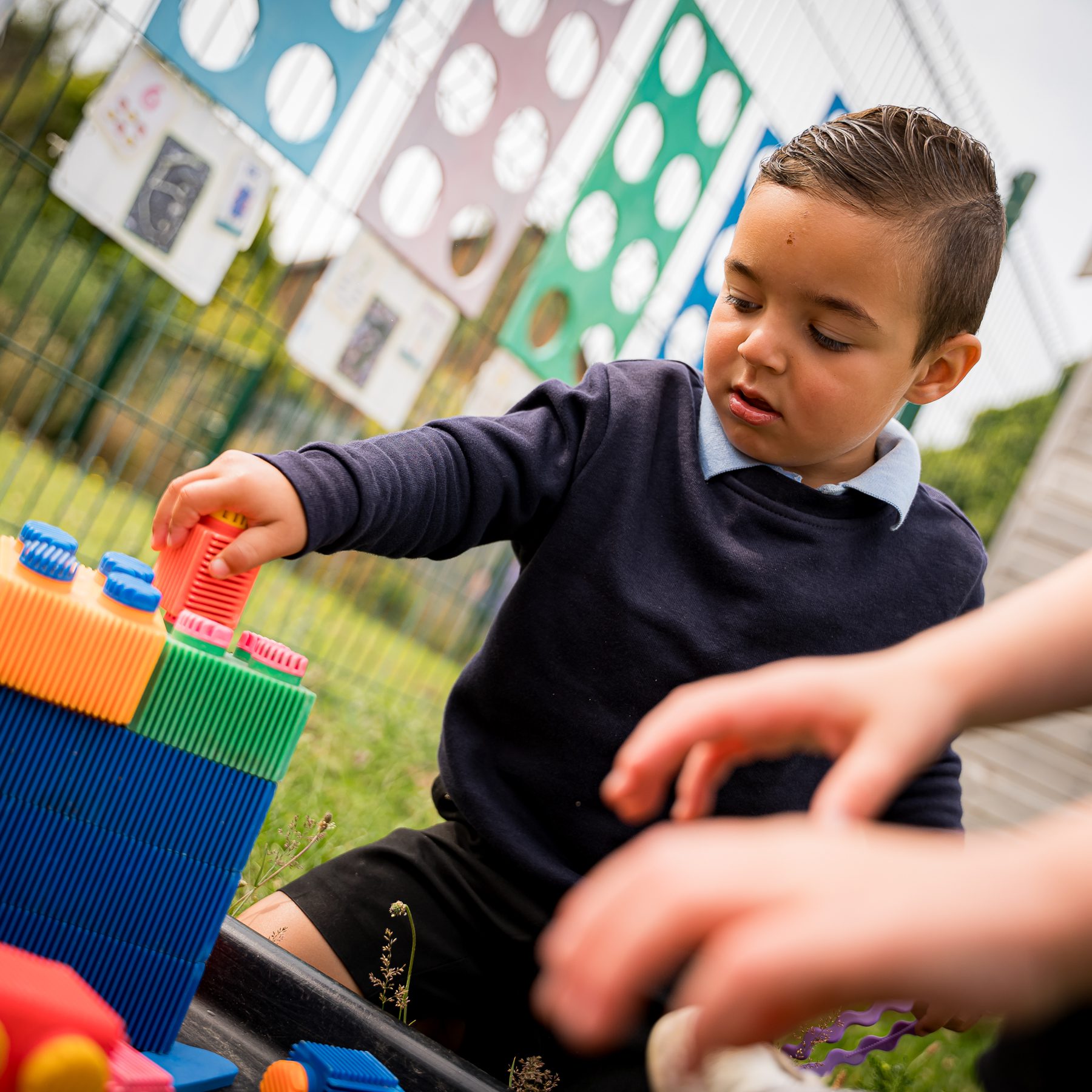
Learn More: Inclusion at ATT
Fostering a culture of belonging and becoming is an important part of our approach to transformational education. Visit our SEND & Inclusion page to learn more about how we support schools to remove barriers to learning and improve outcomes for every pupil.