 by Cat Rushton
Director of ATT Institute
We’re raising a generation for a future no one can predict; and technology sits right at the heart of that uncertainty. At Academy Transformation Trust, investing in people is our mission. We want every colleague and every young person to thrive in complexity, not just cope with it. The question isn’t whether technology matters. It’s how we respond.
To be clear from the outset, this is not an argument for schools to rapidly adopt more digital tools, quickly embrace AI, or move toward becoming “digital-first” institutions. That’s not the aim, and it’s not the direction we’re advocating for.
Too often, conversations about digital tools become polarised, pulled toward one of two extremes: embrace every innovation, or reject technology altogether. Neither position reflects the reality facing schools. The real challenge is not deciding whether technology is good or bad. It is developing the professional judgement to navigate a changing landscape thoughtfully, responsibly, and with the interests of young people at the centre of every decision.

Beyond Digital Literacy, Moving Toward Digital Confidence
Digital literacy remains critical for our success in the education sector. Staff and students alike need digital literacy to navigate the tools available to them today. But a sole focus on digital literacy means we are constantly on the back foot. We need digital confidence too.
Digital confidence is not about mastering a particular platform or application. It is about adaptability: a willingness to engage with change, to keep learning, and to make informed decisions about how and when technology should be used.
Crucially, digital confidence also requires scepticism. As technology becomes more deeply embedded in our lives, professionals need to be able to question its use, challenge its assumptions, and recognise when a digital solution is not the right solution at all.
This creates an important tension: we must be adaptable enough to respond to change, while remaining critical enough to question it. For this reason, we do not consider digital development as a destination. There is no finish line where our organisation becomes “digitally transformed”. Instead, we see ourselves as a digitally maturing organisation, one that evolves deliberately, sustainably and thoughtfully over time.
“The evidence is clear: traditional, human-led teaching remains the most reliable way to help students make progress”
Proceeding with Caution
Education occupies a unique position in the conversation about technology. Digital tools undoubtedly create opportunities. As in any other business or public sector, digital tools can widen access, enhance communication, and remove administrative barriers.
However, our core business is learning. We are entrusted with shaping the minds of the young people who will become tomorrow’s adults; the people who will lead, build and sustain the society we all live in.
We are often occupied with the familiar concerns of digital tool use, for example safeguarding and data protection. But we spend less time considering the wicked and profound questions around cognition, creativity, critical thinking and knowledge retention. As artificial intelligence develops at pace, these questions are shifting from interesting hypotheticals to unavoidable realities.
The truth is that we know very little about the long-term impact of widespread digital tool use on learning. How will AI shape the way young people think, learn and solve problems? How will it influence future social, professional and civic life? These remain genuinely open questions.
However, history offers a caution here. Technological change often produces consequences that are not immediately visible, and the rise of social media is a powerful example of a society embracing innovation well before it understood what those effects might be.
None of this means schools should resist technological change. Nor does it mean they should rush towards it with abandon. It means that careful consideration, ongoing evaluation and professional judgement must remain at the heart of every decision we make.
Teaching With Technology versus Teaching About Technology
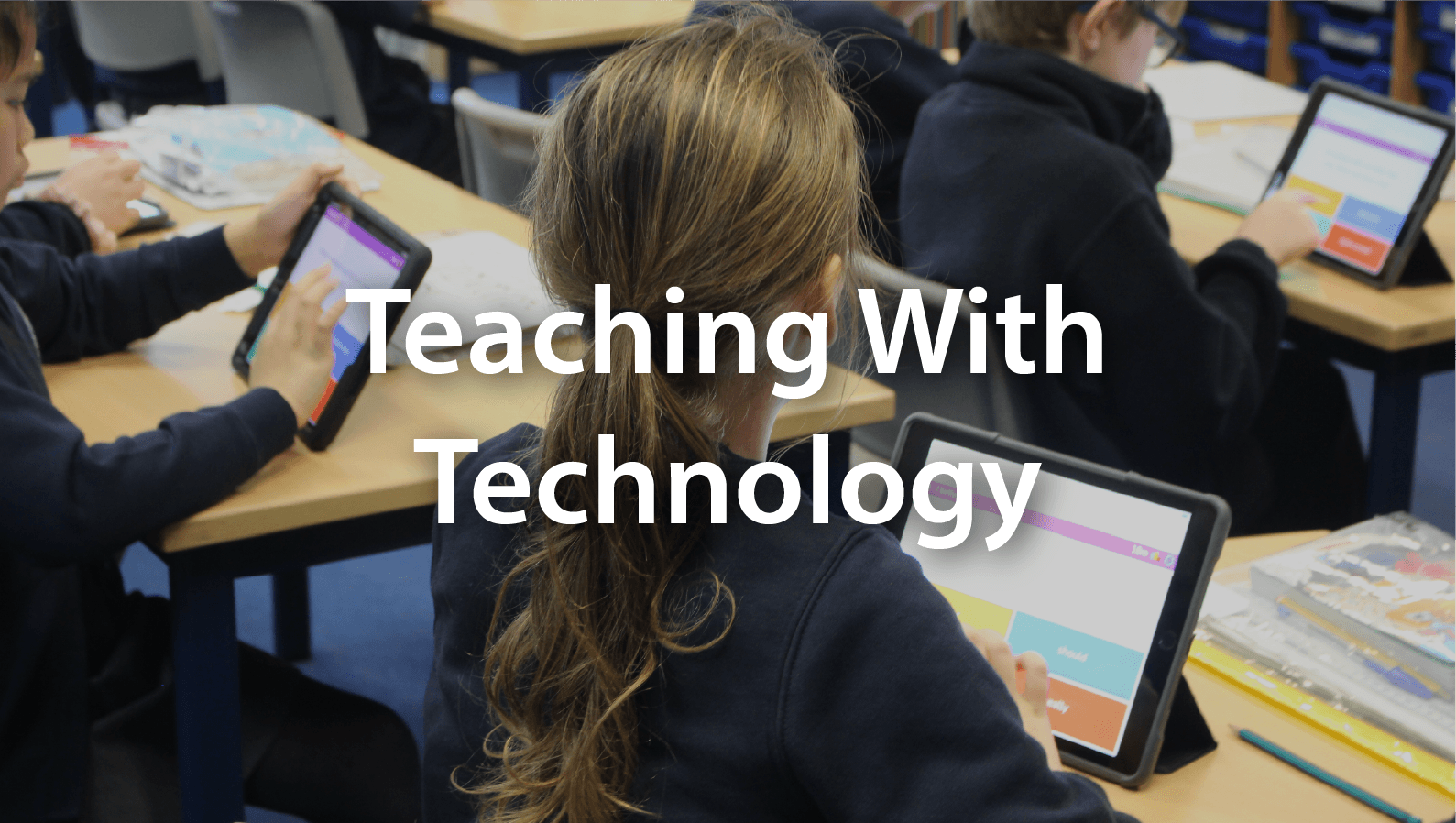
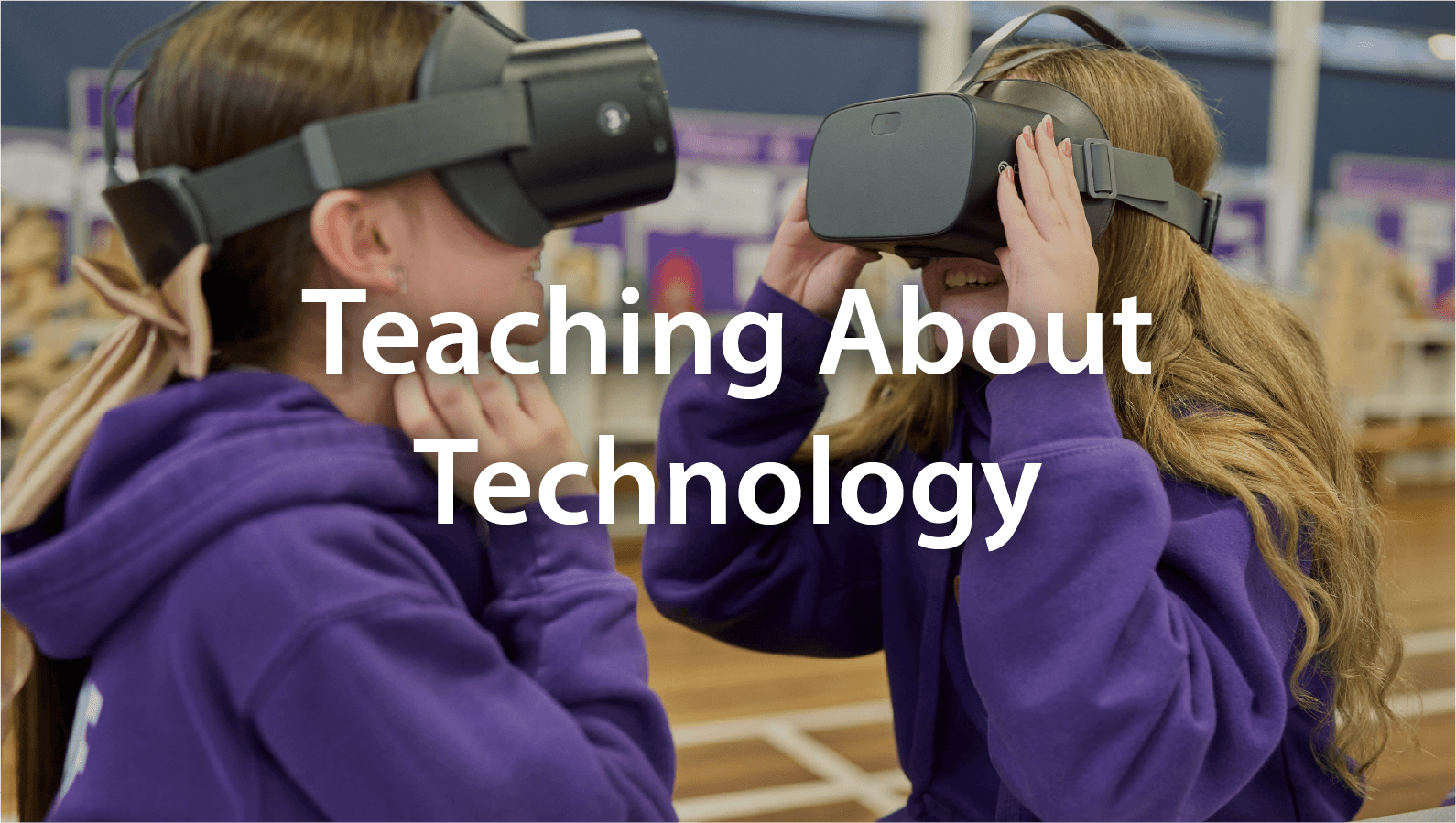
An important distinction that often gets blurred is the difference between teaching with technology and teaching about technology.
If a traditional subject doesn’t use technology as a teaching tool — teaching with technology — students are not disadvantaged. In fact, the evidence is clear: traditional, human-led teaching remains the most reliable way to help students make progress. That doesn’t mean technology has no place. It means we should use it sparingly, deliberately, and always in service of the wider curriculum.
In contrast, if we never teach students about technology, we are failing them. Digital confidence matters. We absolutely should be developing it; this is teaching about technology. Teaching about technology should be a deliberate and sequenced, and it deserves its own space, without coming at the cost of the traditional curriculum.
And yet, let’s be honest: sometimes we lack imagination when teaching about technology. Teaching a child to use an iPad is digital literacy — useful, but narrow. The iPad they learn on today probably won’t exist in the workplace they walk into tomorrow. Technology moves fast, faster than any curriculum can keep up with.
What will travel with them into that future? Literacy. Oracy. Numeracy. Critical thinking. These are the tools that will allow our students to engage with whatever technology throws at them, however advanced, however unfamiliar, however unknown.
Why “AI in Schools” Is Actually Three Different Conversations
When we talk about digital tools in education, we tend to treat it as a single issue. It isn’t. An adult using technology to work more efficiently and a student using ChatGPT to write an essay are fundamentally different situations.
Consider an analogy:
At the hardware store, when you need to lift a bag of cement into your trolley, the purpose is clear: move the cement. It doesn’t matter whether you lift it or a machine does. The product is the point.
However, when you go to the gym and lift weights, the purpose is not to move the weights. Nobody cares where the weights end up. The point is what happens to you in the process. It’s the strength you build by doing it.
Now apply that to schools.
When staff use digital tools for productivity (drafting communications, analysing data, reducing administrative workload) that’s the cement. The purpose is the product. The machine helps.
But when a student writes an essay, that’s the weights. The essay was never the point. The learning was. A beautifully written essay produced by AI helps no one, least of all the student, they haven’t lifted anything, and they haven’t built a thing.
It’s worth pushing the analogy one step further. If we never lifted so much as a tin of paint at the hardware store, if machines did everything, always, we would eventually lose the ability to lift at all. Even productivity tools have their limits. Even for adults, use should be sparing and deliberate. We retain our professional skills and judgement so we can critically evaluate the output of the machine.
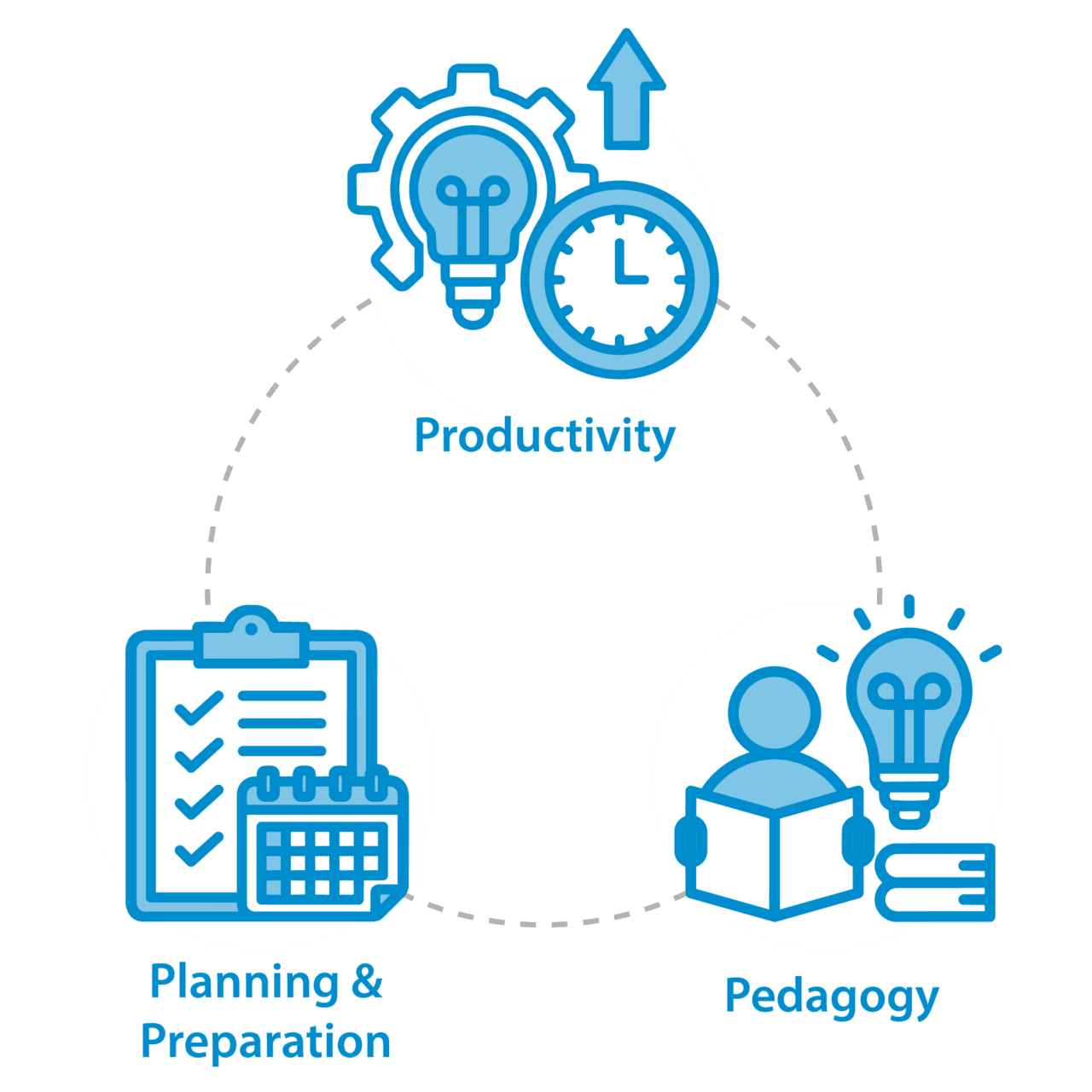
So let’s be clear about what we’re talking about. Not one issue. Three. Each with its own logic, its own risks, and its own boundaries.
- Staff using technology for productivity.
- Teachers using technology for planning and preparation.
- Technology in pedagogy for students.
To distinguish between these different contexts, we have adopted three digital principles: Productivity, Planning and Preparation, and Pedagogy.
Our Three Principles for Digital Maturity
Productivity:
We use digital tools to streamline routine tasks and reduce administrative workload so that staff can devote more time and cognitive capacity to high value work, focusing on the human elements of our roles in education that have the greatest impact on outcomes.
Planning and Preparation:
We use digital tools to enhance, not replace, educator expertise by supporting high‑quality planning, insight generation, and responsive preparation. By reducing time spent on routine resource creation and enabling timely feedback, we strengthen teachers’ and TAs’ readiness for adaptive teaching and deepen their intellectual engagement with subject content.
Pedagogy:
We prioritise students’ literacy, numeracy, oracy, subject knowledge, interpersonal skills and critical thinking, technologies are applied only when it adds real value. We use learner‑facing digital tools sparingly and deliberately, ensuring they strengthen rather than shortcut deep learning, preserving essential human competencies and promoting independent, secure learning over time
A Deliberate Direction of Travel
Digital maturity is not about becoming more technological for its own sake. It is about ensuring that technology serves our mission rather than reshapes it.
For Academy Transformation Trust, that means embracing opportunities where they genuinely support productivity, professional expertise and organisational effectiveness. It also means protecting what matters most: thinking deeply, learning purposefully, exercising professional judgement, and developing the enduring human capabilities that young people need for the future.
The landscape will continue to change. Our responsibility is not to predict exactly where it is heading, but to ensure that we respond to it with purpose, caution and confidence.
Our Approach: Learn More
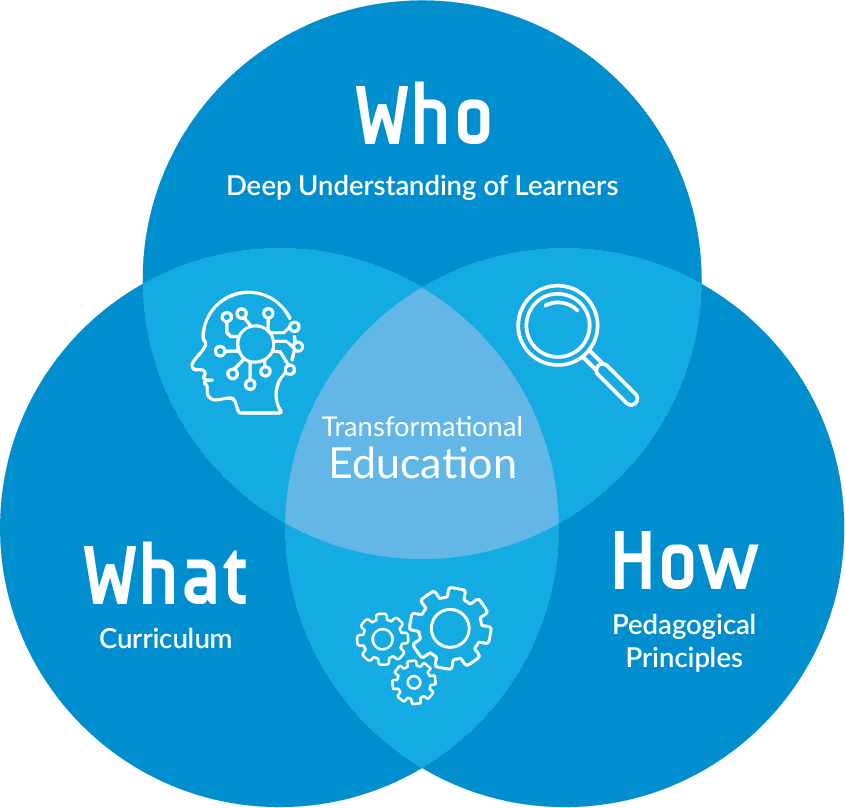
Interested in learning more about our approach to transformational education? Click here to read about how our education strategy is underpinned by incredible work in education, safeguarding, SEND and professional development.