At Academy Transformation Trust, we believe digital technology has the greatest impact when it is used with purpose.

Our approach is designed to harness the opportunities created by digital tools and emerging technologies, including artificial intelligence, while keeping professional expertise, great teaching and the needs of our pupils at the heart of decision-making. We want technology to help our colleagues work effectively, strengthen the way teachers plan and prepare, and support learning where it can make a genuine difference.

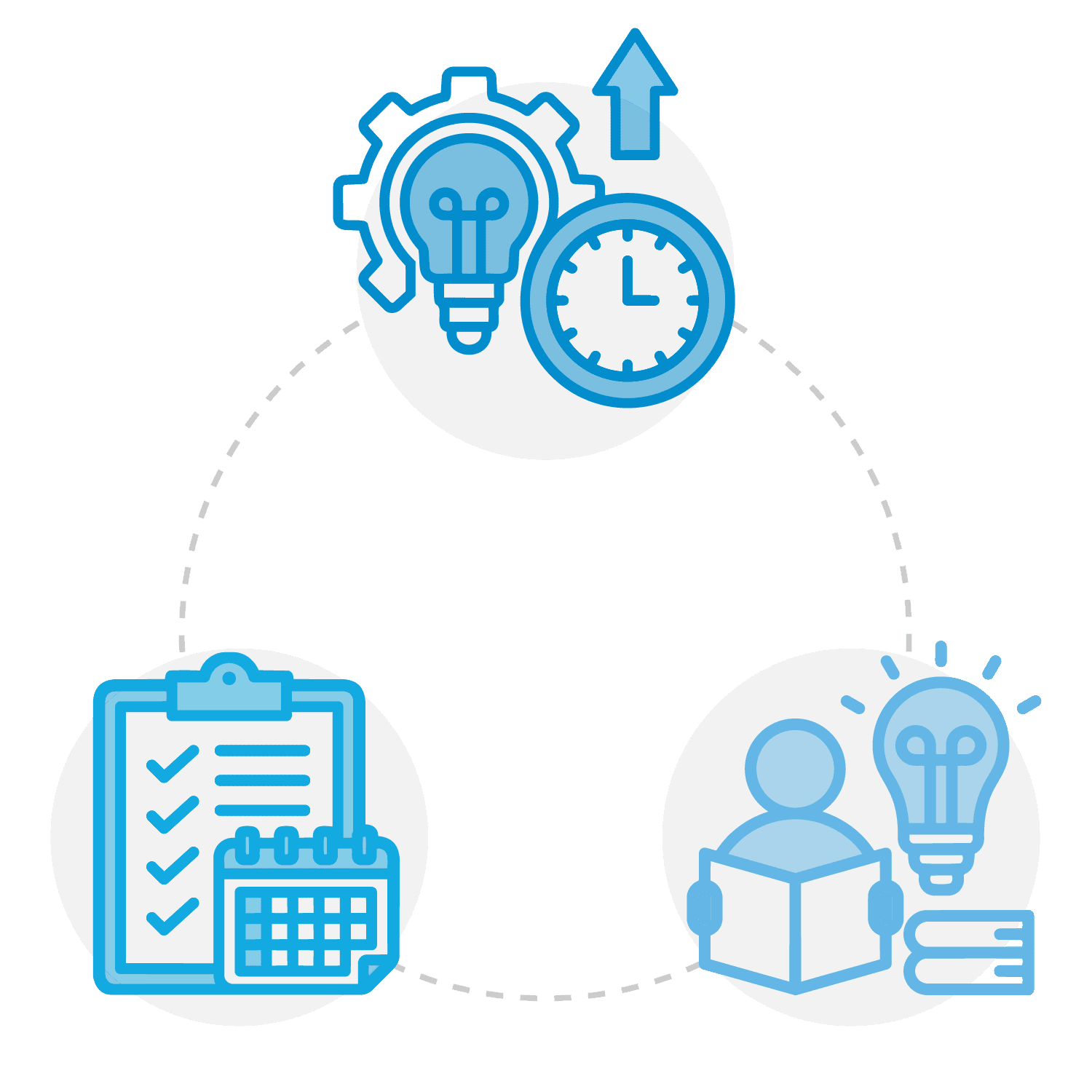
Our approach is built around three distinct digital principles:

Productivity | Planning and preparation | Pedagogy

We deliberately distinguish between these three areas. A technology that creates significant efficiencies for a member of staff is not automatically the right technology to put in front of a pupil. Equally, technology that supports a teacher’s planning has a different purpose from technology used directly in the classroom. This distinction helps us make thoughtful decisions about where digital technology adds value and where a different approach is better.

Underpinning all three principles is our commitment to safe and responsible use. Human judgement and oversight remain central to our approach, alongside safeguarding, data protection, security and ethical practice.

Principle 1: Productivity

Using technology to create capacity for what matters most

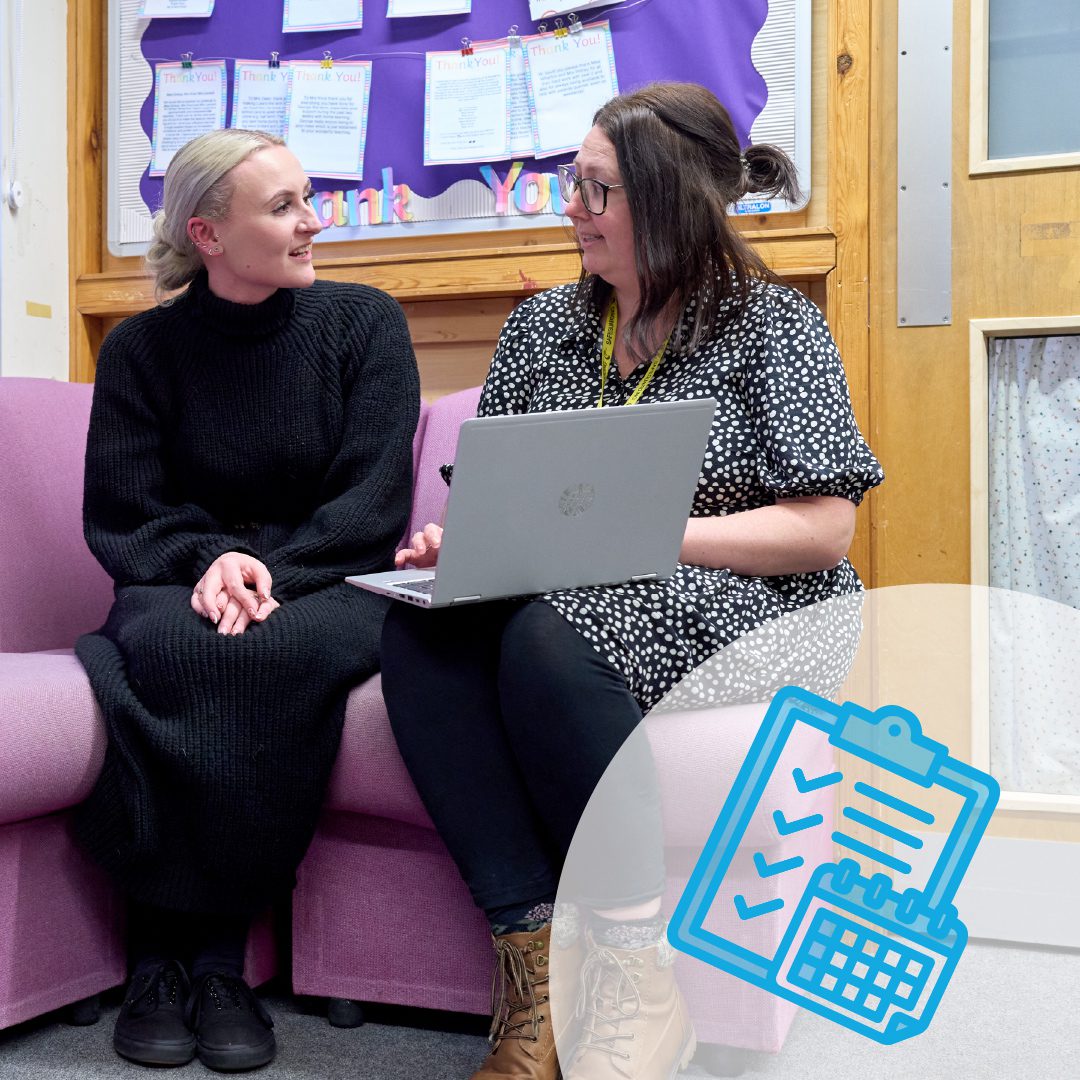
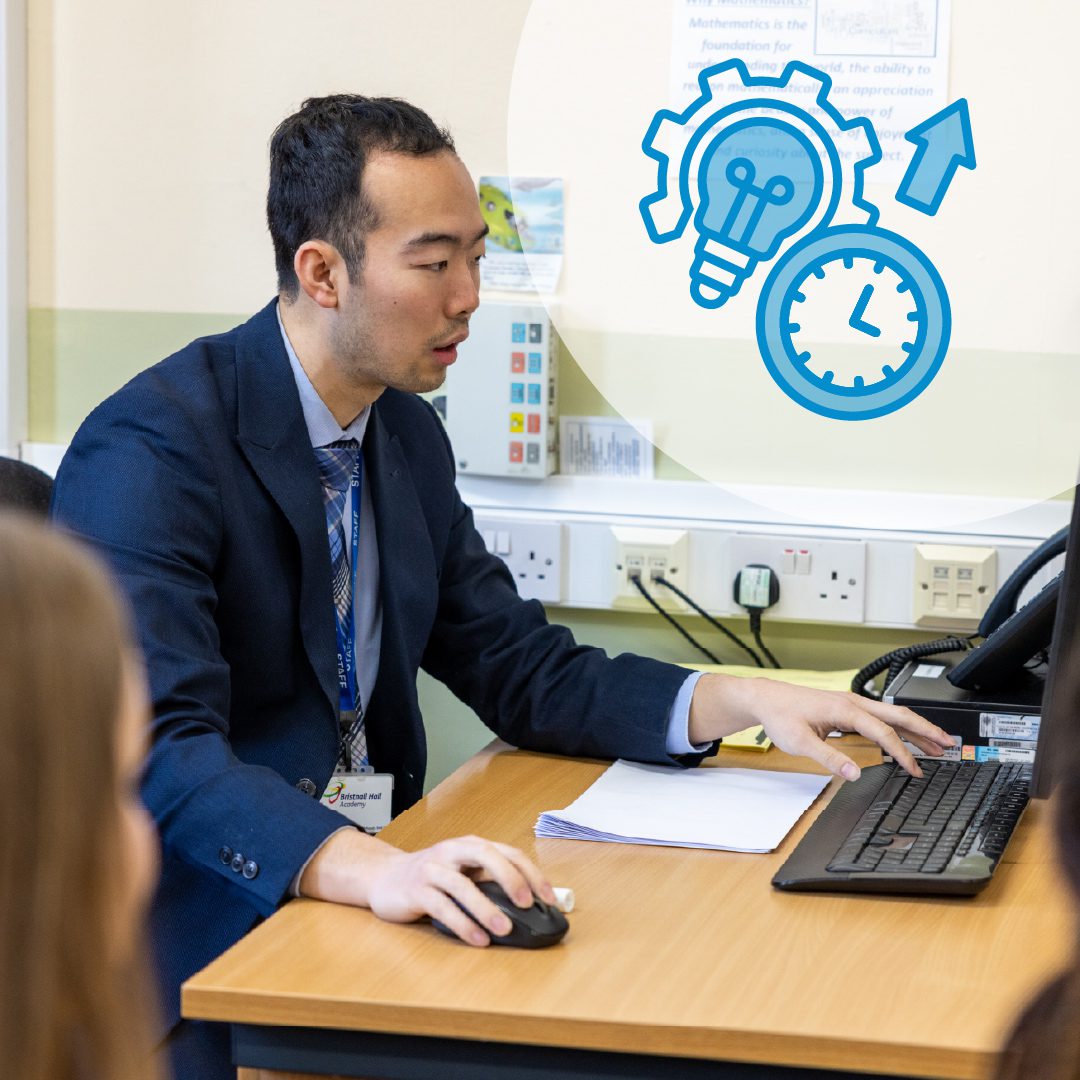
Our approach to digital productivity is not simply about doing more, faster. It is about reducing unnecessary workload and creating greater capacity for the work where people’s expertise, judgement and relationships matter most.

Across our Trust, we use digital tools to streamline routine activity, simplify processes, support collaboration and make information easier to interpret. At the same time, professional oversight remains essential: colleagues remain responsible for checking outputs, protecting information and deciding whether technology genuinely improves the quality or efficiency of their work.

What We Do at ATT

Create capacity for high-value work
We use technology to reduce repetitive and administrative activity, giving colleagues greater capacity to focus on the parts of their roles where their expertise and human judgement make the greatest difference.

Simplify how we work
We continually review processes and make purposeful use of shared platforms and consistent systems to reduce duplication and make collaboration more effective.

Turn information into insight
Digital tools can help process and present complex information efficiently, allowing colleagues to spend more time interpreting insights and deciding how best to respond.

Develop confident digital professionals
We want colleagues to approach technology with curiosity and a growth mindset, continually developing the digital skills relevant to their role.

Keep people accountable
Technology supports professional thinking rather than replacing it. Colleagues retain responsibility for the accuracy, quality and appropriateness of their work, including anything created with digital tools.

Principle 2: Planning & Preparation

Technology supporting, not replacing, professional expertise

Great teaching begins long before a lesson starts. Across ATT, we explore how digital technology  can complement teachers’ expertise by supporting high-quality planning, intellectual preparation and responsive teaching. Our aim is not to automate professional thinking, but to give teachers more capacity to undertake it.

Technology can support colleagues to explore ideas, interrogate curriculum content, identify patterns in assessment information and adapt resources to meet learners’ needs. However, decisions about curriculum, pedagogy and learning remain firmly with our colleagues.

What We Do at ATT

Professional expertise comes first
AI and digital tools can support planning, but they do not replace teachers’ knowledge of their subject, curriculum or pupils. Professional judgement remains central to every decision.

Technology can create space for deeper thinking
Where appropriate, digital tools can reduce time spent drafting or formatting routine resources, providing greater capacity for teachers to concentrate on high-value planning and intellectual preparation.

Insights should inform teaching
Digital tools can help synthesise assessment information and identify patterns, supporting teachers to prepare responsively and target support appropriately.

Planning should support every learner
Technology can help colleagues adapt materials and consider different forms of support or representation, contributing to inclusive planning and adaptive teaching.

Everything is subject to professional scrutiny
Digitally generated materials are reviewed and refined for accuracy, quality, curriculum alignment and suitability for pupils before they are used.
Principle 3: Pedagogy

Learning First, Technology Second

At ATT, strong teaching drives our use of technology, not the other way around.  We prioritise the knowledge, skills and human interactions that enable pupils to flourish, including literacy, numeracy, oracy, subject knowledge, critical thinking and interpersonal skills. Learner-facing technology is therefore introduced deliberately and selectively, where there is a clear educational purpose.

Our starting point is always the learning we want pupils to achieve. Only then do we consider whether technology can strengthen it.

What We Do at ATT

Strong teaching comes first
High-quality explanation, modelling, practice and feedback remain fundamental. Technology is used where it enhances those approaches, rather than replacing them.

Technology should strengthen learning, not shortcut it
Digital activities should promote thinking, retrieval and application rather than simply make tasks easier to complete.

Digital does not automatically mean better
We introduce learner-facing technology where there is a clear learning purpose and review its impact, adapting or withdrawing approaches where they are not adding sufficient educational value.

Technology can help remove barriers
Assistive technologies and thoughtful digital adaptations can support access to learning, particularly for pupils with SEND, while maintaining ambitious expectations and meaningful engagement with the curriculum.

Digital literacy matters too
We help pupils critically evaluate digital and AI-generated information, including considering its reliability, purpose, authorship and currency.

Innovation with Safeguards

As technology evolves, so do the opportunities and risks associated with it. Our approach combines innovation with clear expectations around safeguarding, privacy, security, professional accountability and ethical use.

Across ATT, digital technology is supported by guidance for colleagues, consideration of new learner-facing tools and human oversight of pupils’ screen use. We also use filtering and monitoring systems to help protect pupils, while recognising that technology itself can never replace attentive professional supervision.

Human oversight runs through our entire digital approach. Whether technology is supporting a colleague’s work, a teacher’s planning or a pupil’s learning, people remain responsible for the decisions that matter.

Removing Barriers to Learning

Digital technology can also play an important role in making learning more accessible.

Our approach to assistive technology begins with the learner and the barrier they face, rather than with a particular device or platform. Solutions can range from simple classroom adaptations to specialist software and devices, with the aim of improving access, participation and independence.

We consider the learner, their environment and the task they need to complete before identifying the most appropriate tool. This helps ensure our approach remains needs-led rather than technology-led. Read more on our SEND page.

Interested in Learning More?

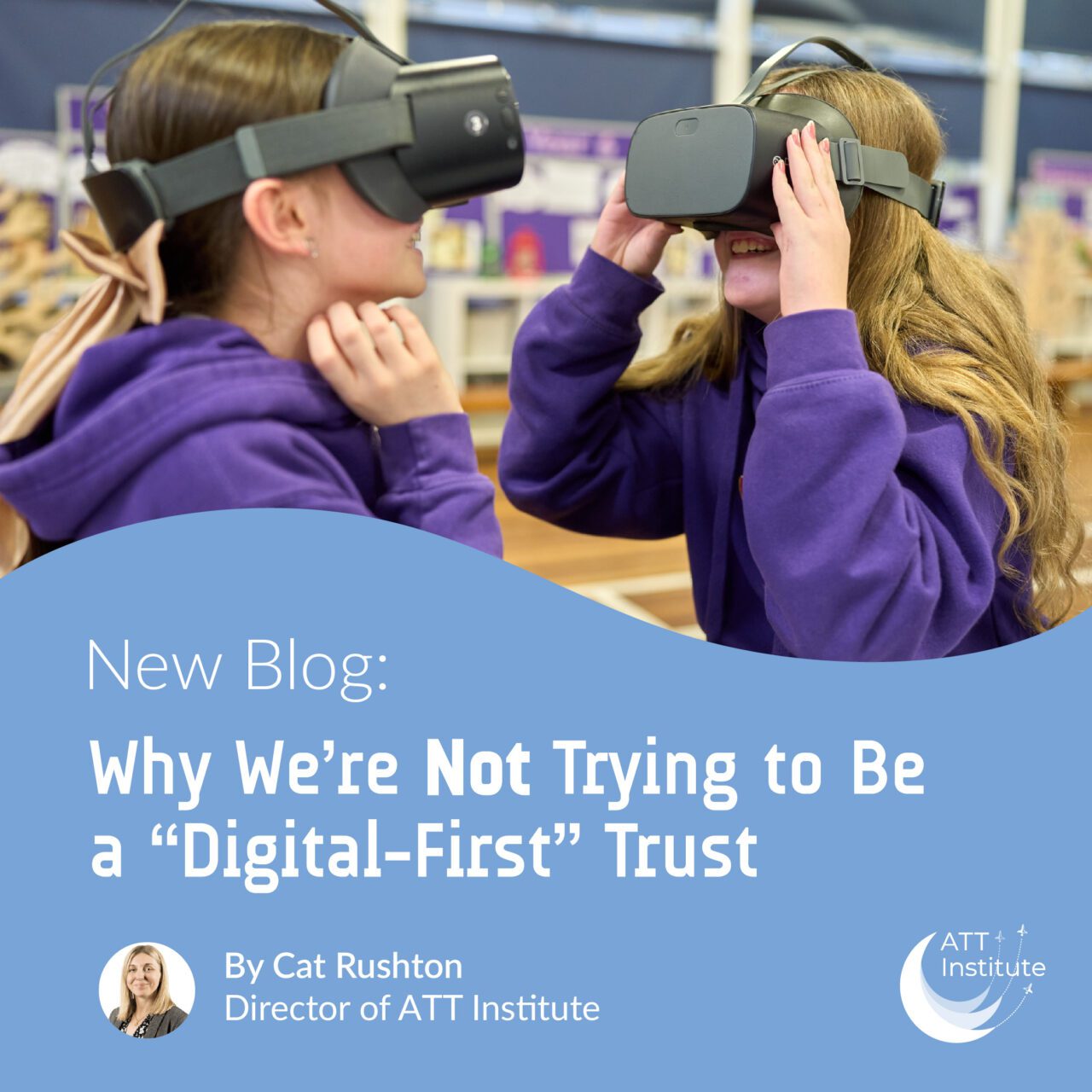
Are you interested in learning more about our digital approach? Click here to read Why We’re Not Trying to Be a “Digital-First” Trust, a blog by our Director of ATT Institute Cat Rushton.

Cat explores pedagogical research and the evidence that traditional, teacher-led approaches remain the most reliable way to help students make progress.